Minister Laxmi Hebbalkar Marks Three Years with Focus on Women Empowerment and Rural Development
Belagavi, May 26: Karnataka Women and Child Development Minister Laxmi Hebbalkar has completed three years in office, with her tenure marked by a strong emphasis on public welfare, women’s empowerment, and rural development.
During her tenure, Hebbalkar has led several initiatives aimed at improving the welfare of women, children, and economically weaker sections across the state. Key focus areas under her leadership include strengthening Anganwadi centres, enhancing nutrition programmes, improving maternal and child healthcare services, and promoting self-reliance among women.
One of the major welfare initiatives associated with her tenure has been the implementation of the state government’s flagship Gruhalakshmi scheme, which provides direct financial assistance to women heads of households. The scheme has benefitted lakhs of families across Karnataka and is seen as a significant step toward women’s financial empowerment.
In addition, the concept of a proposed Gruhalakshmi Bank, aimed at encouraging savings, entrepreneurship, and financial independence among women, has drawn attention as part of broader empowerment efforts.
The minister has also focused on women’s safety through initiatives such as Akkapade centres, which offer support, protection, and counselling services for women and girls facing harassment or distress.
Beyond her ministerial responsibilities, Hebbalkar has continued to focus on the development of the Belagavi Rural constituency, where infrastructure projects related to roads, drinking water supply, drainage systems, educational institutions, healthcare facilities, temples, and community halls have been undertaken.
Hebbalkar’s political journey is often noted for her rise from grassroots public life without a traditional political background to becoming a prominent leader in Karnataka politics.
Supporters describe her tenure as one marked by accessibility, decisive leadership, and a commitment to welfare-oriented governance, with expectations of continued developmental initiatives in the coming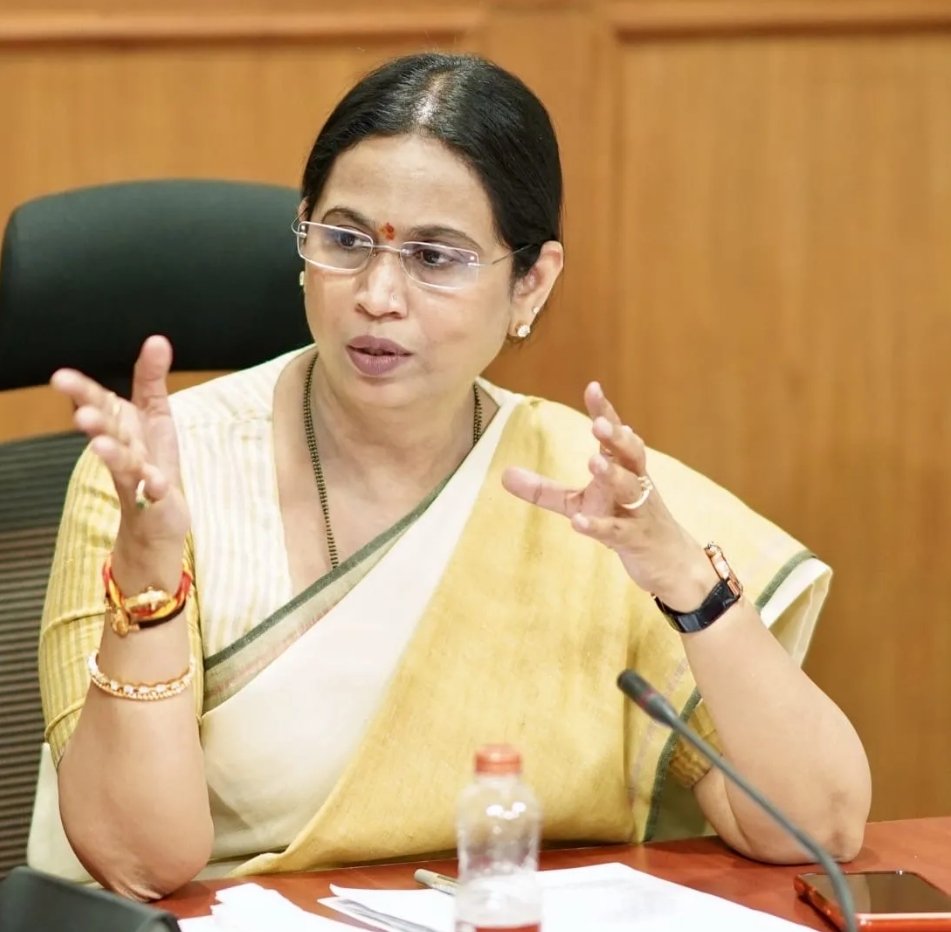 years.